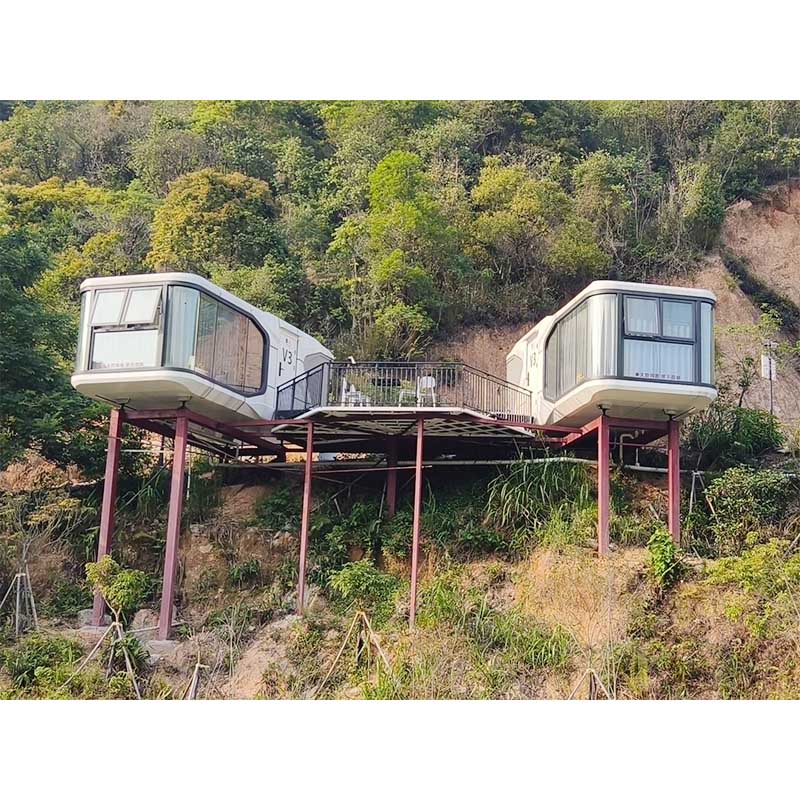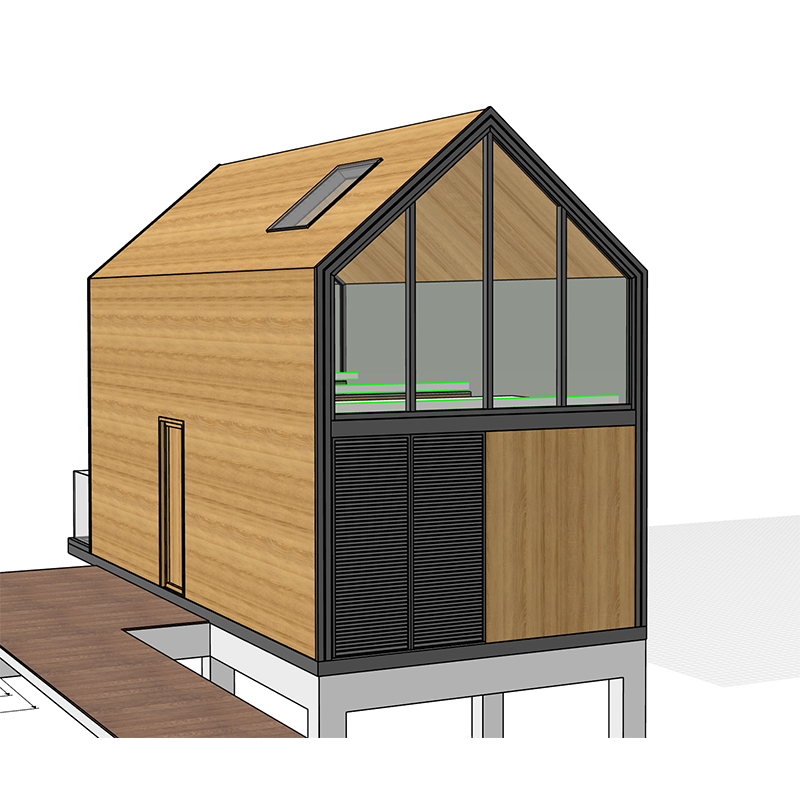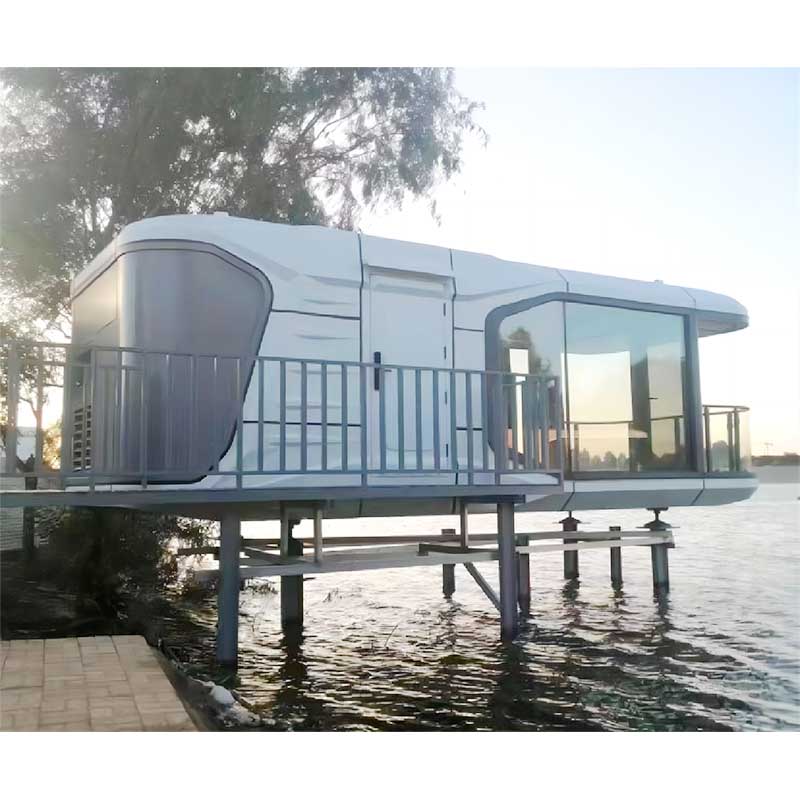

In the design of mobile homes, the complementary application of natural ventilation and mechanical ventilation is a key strategy for improving indoor air quality and optimizing the thermal environment.
Mobile homes, used in various scenarios, need to cope with both cold and hot environments. Their living comfort largely depends on the balance between thermal insulation and ventilation.
As a type of flexible and relocatable residential unit, the adaptability of the chassis structure of mobile homes directly determines their stability, safety, and service life under complex road conditions.
The concept of home has undergone a radical transformation in the 21st century, shifting from a static, immovable asset to a dynamic, flexible entity that adapts to the rhythm of modern life.
In the field of modern residential and temporary housing, mobile homes have gained widespread attention due to their flexibility and efficient construction.
In the modern construction field, prefabricated houses are gaining increasing attention due to their advantages of rapid construction, environmental friendliness, energy efficiency, and modularity.