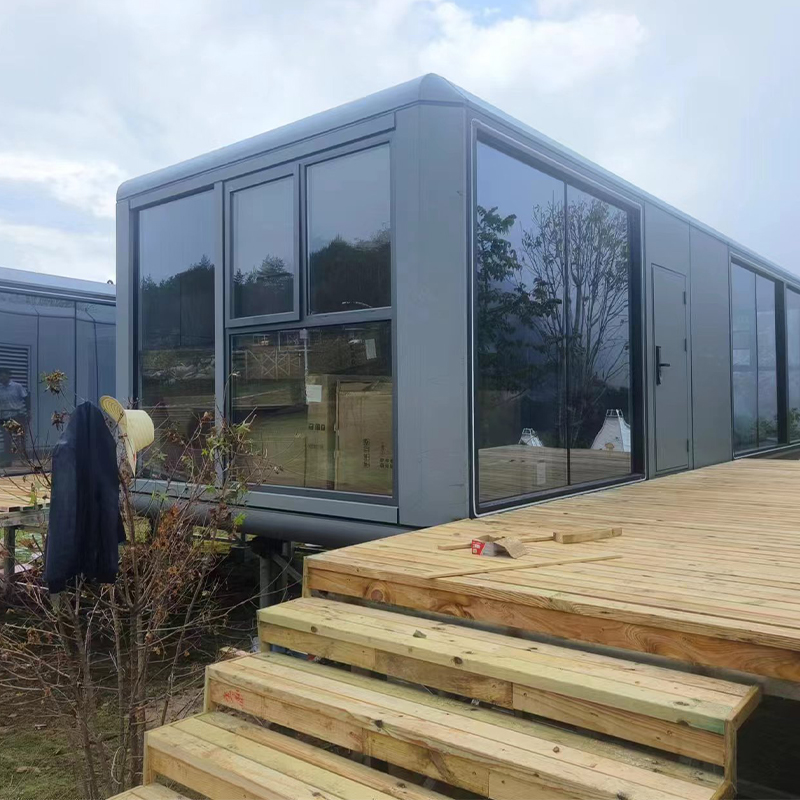

In today's world of rapidly increasing urban density, intertwined desires for natural living and sustainable lifestyles, people's imaginations of "home" are quietly breaking through the limitations of traditional brick-and-mortar structures.
The airtightness and thermal performance of prefabricated houses are not inherent advantages, but rather the result of engineering achievements achieved through the deep integration of industrial precision, systematic construction, high-performance materi
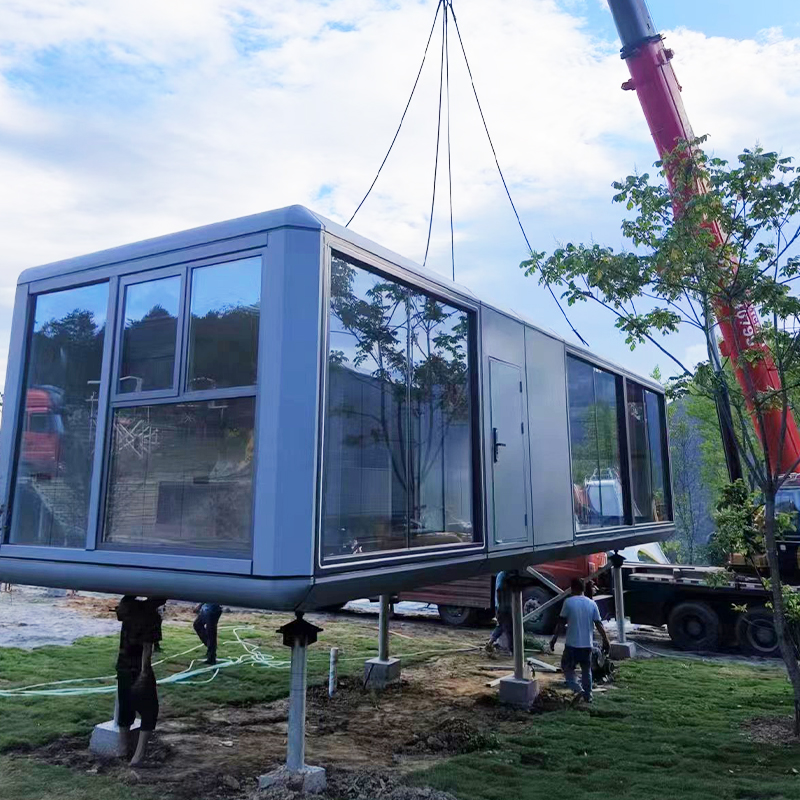
In today's construction industry moving towards sustainable development, the resource waste, dust pollution, and lengthy construction periods associated with traditional construction methods are receiving increasing scrutiny.
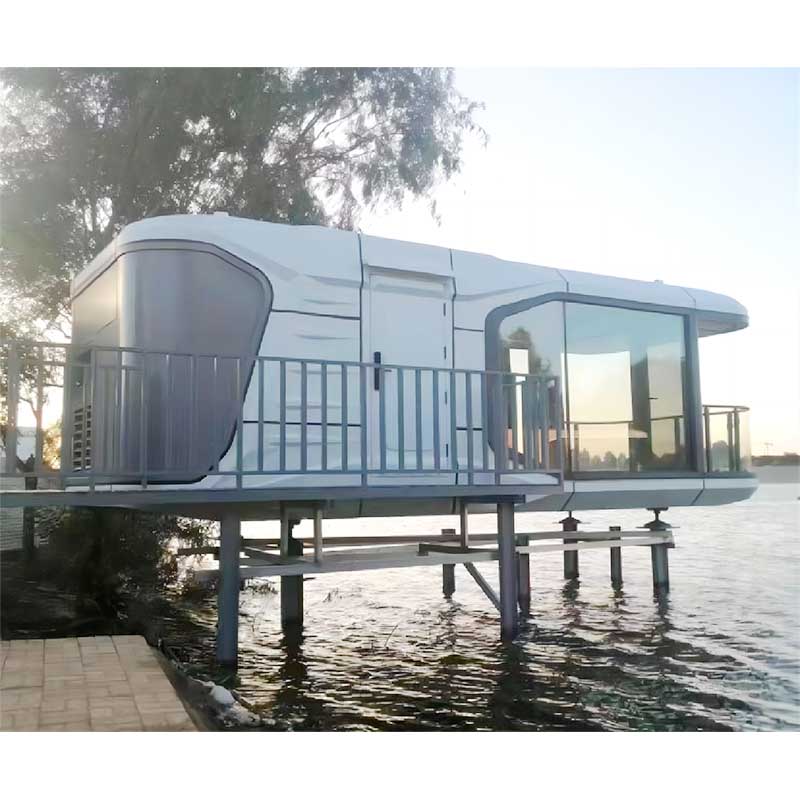
In the depths of mountains and forests, lakeside wetlands, island edges, or highland meadows far from the hustle and bustle of the city, people increasingly yearn for a home that coexists with nature.
In the context of increasingly diversified contemporary architectural demands, people's use of space is no longer limited to the binary opposition of "permanent" or "temporary."
When a "home" is put on wheels, people gain the freedom to set off at any time; but if the comfort and sense of security of living are sacrificed, this freedom may become a compromise. A mobile house, while ensuring high mobility, does not compromise and